Apple iPhone 7 Plus Price in Nigeria


-
DISPLAY: 5.5 inches, 83.4 cm2 (~67.7% screen-to-body ratio)
-
CAMERA: 12 MP, f/1.8, 28mm (wide), 1/3.0", PDAF
-
BATTERY: Li-Ion 2900 mAh, non-removable (11.1 Wh)
-
OS: iOS 10.0.1, upgradable to iOS 15.8.5
-
CHIPSET: Apple A10 Fusion (16 nm)
-
RAM: 32GB 3GB RAM, 128GB 3GB RAM, 256GB 3GB RAM
-
SIM: Nano-SIM
The Apple iPhone 7 Plus Price in Nigeria and Slot is 125,000 Naira, and this includes Lagos, Abuja, Kano, Rivers, Ogun, Oyo, Delta, Kaduna, Edo, Enugu, PortHarcourt, Ibadan, Benin, Owerri, Warri.
Looking back from 2030, the Apple iPhone 7 Plus was a milestone in smartphone history. Released in September 2016, it introduced features that became standard in modern devices. Its dual-camera system, water resistance, and powerful A10 Fusion chipset influenced designs for years. Today, tech enthusiasts and collectors still admire its innovations.
Design That Predicted Future Trends
The iPhone 7 Plus combined elegance and durability. Its aluminum body paired with a glass front created a premium feel. Measuring 158.2 x 77.9 x 7.3 mm and weighing 188 grams, it balanced a large-screen display with comfortable handling.
Moreover, Apple’s IP67 dust and water resistance allowed it to survive everyday accidents. Removing the headphone jack was bold but paved the way for wireless audio. Additionally, Apple Pay integration made mobile payments seamless. Together, these choices influenced the design philosophy of future smartphones.
Retina Display That Set the Standard
The 5.5-inch Retina IPS LCD delivered crisp 1080 x 1920-pixel visuals (~401 ppi). Its 625-nit brightness ensured clarity even in sunlight. The 3D Touch display offered pressure-sensitive interactions, enhancing navigation.
Consequently, future devices adopted this approach to improve touch response and visual accuracy. Also, the contrast ratio of 1398:1 and color fidelity helped establish high-quality display expectations. Apple proved that large screens could remain vibrant, sharp, and responsive in everyday use.
Performance Ahead of Its Time
The Apple A10 Fusion chipset powered the iPhone 7 Plus. It used two high-performance “Hurricane” cores and two energy-efficient “Zephyr” cores. Combined with the PowerVR Series7XT Plus GPU and 3GB RAM, it handled multitasking and gaming smoothly.
In addition, its performance longevity was notable. The device scored 3796 on Basemark OS II 2.0, showing it could manage demanding apps even years later. As a result, the A10 Fusion set the stage for hybrid CPU designs in future smartphones.
Dual-Camera Innovation
Apple introduced the first dual-camera system in the iPhone 7 Plus. It featured a 12 MP wide-angle lens (f/1.8) and a 12 MP telephoto lens (f/2.8) with 2x optical zoom. This setup enabled portrait shots with depth-of-field effects.
Furthermore, Quad-LED dual-tone flash and HDR improved low-light performance. Video recording supported 4K at 30 fps, along with 1080p slow-motion options. Consequently, dual-lens cameras became the blueprint for modern flagship smartphones.
Audio and Multimedia Evolution
Removing the headphone jack was controversial, but it pushed wireless audio forward. The iPhone 7 Plus used stereo speakers for immersive sound, reaching 68dB voice and 72dB noise performance.
In addition, the shift to Lightning and wireless headphones influenced industry standards. As a result, modern smartphones continue to prioritize high-quality audio without relying on traditional jacks.
Connectivity and Sensors
The iPhone 7 Plus supported GSM, CDMA, HSPA, EVDO, and LTE networks. Wi-Fi 802.11 a/b/g/n/ac and Bluetooth 4.2 ensured seamless connections. NFC enabled Apple Pay for contactless transactions.
It also featured fingerprint (front-mounted), accelerometer, gyro, proximity, compass, and barometer sensors. These sensors powered apps, fitness tracking, and ARKit applications. Consequently, the iPhone 7 Plus influenced how future smartphones integrated hardware for rich, interactive experiences.
Battery Life That Endured
The 2,900 mAh battery offered up to 21 hours of talk time and 384 hours of standby. Its endurance rating of 75 hours highlighted efficient energy management.
Moreover, the balance between battery capacity, performance, and display size demonstrated Apple’s attention to usability. Future devices adopted this optimization approach to extend daily runtime without increasing size or weight.
Pros and Cons
Pros:
- Dual-camera system with optical zoom and portrait mode.
- Powerful A10 Fusion processor for smooth performance.
- IP67 dust and water resistance for real-world durability.
- 5.5-inch Retina display with 3D Touch.
- Stereo speakers and wireless audio support.
Cons:
- No headphone jack, requiring adapters or wireless solutions.
- RAM (3GB) is modest by today’s standards.
- Battery life is shorter than larger modern phones.
- Discontinued, so new units are rare.
These pros and cons illustrate how the iPhone 7 Plus shaped modern smartphone expectations. Its strengths set benchmarks, while its limitations guided future improvements.
Collectible Legacy
The iPhone 7 Plus is now considered a classic. Its design, dual-camera innovation, and durable body make it appealing to collectors. Moreover, its influence on wireless audio and hybrid CPU design ensures its place in tech history.
Future generations continue to build on its innovations. Owning an iPhone 7 Plus is not just nostalgia—it represents a milestone in smartphone evolution.
Final Verdict
Looking from today, the iPhone 7 Plus remains influential. Its dual-camera, water resistance, and A10 Fusion chipset shaped the design of future iPhones and competitor devices. While discontinued, it proves that a well-balanced combination of design, performance, and innovation can leave a lasting impact.
Specs
NETWORK
| Technology | GSM / CDMA / HSPA / EVDO / LTE |
LAUNCH
| Release Date | 2016, September 07. Released 2016, September 16 |
| Status | Discontinued |
BODY
| Dimensions | 158.2 x 77.9 x 7.3 mm (6.23 x 3.07 x 0.29 in) |
| Weight | 188 g (6.63 oz) |
| Build | Glass front (Corning-made glass), aluminum back, aluminum frame |
| SIM | Nano-SIM IP67 dust/water resistant (up to 1m for 30 min) Apple Pay (Visa, MasterCard, AMEX certified) |
DISPLAY
| Type | Retina IPS LCD, 625 nits (typ) |
| Size | 5.5 inches, 83.4 cm2 (~67.7% screen-to-body ratio) |
| Resolution | 1080 x 1920 pixels, 16:9 ratio (~401 ppi density) |
| Protection | Ion-strengthened glass 3D Touch display & home button |
PLATFORM
| OS | iOS 10.0.1, upgradable to iOS 15.8.5 |
| Chipset | Apple A10 Fusion (16 nm) |
| CPU | Quad-core 2.34 GHz (2x Hurricane + 2x Zephyr) |
| GPU | PowerVR Series7XT Plus (six-core graphics) |
MEMORY
| Card slot | No |
| Internal | 32GB 3GB RAM, 128GB 3GB RAM, 256GB 3GB RAM |
MAIN CAMERA
| Back | 12 MP, f/1.8, 28mm (wide), 1/3.0", PDAF, OIS 12 MP, f/2.8, 56mm (telephoto), 1/3.6", AF, 2x optical zoom |
| Features | Quad-LED dual-tone flash, HDR |
| Video | 4K@30fps, 1080p@30/60/120fps, 720p@240fps |
SELFIE CAMERA
| Front | 7 MP, f/2.2, 32mm (standard) |
| Features | Face detection, HDR |
| Video | 1080p@30fps |
SOUND
| Loudspeaker | Yes, with stereo speakers |
| 3.5mm jack | No |
COMMS
| WLAN | Wi-Fi 802.11 a/b/g/n/ac, dual-band, hotspot |
| Bluetooth | 4.2, A2DP, LE |
| Positioning | GPS, GLONASS, GALILEO, QZSS |
| NFC | Yes |
| Radio | No |
| USB | Lightning, USB 2.0 |
FEATURES
| Sensors | Fingerprint (front-mounted), accelerometer, gyro, proximity, compass, barometer |
BATTERY
| Type | Li-Ion 2900 mAh, non-removable (11.1 Wh) |
| Charging | Stand-by: Up to 384 h (3G) Talk time: Up to 21 h (3G) |
MISC
| Models | A1661, A1784, A1785, A1786, iPhone9,4, iPhone9,2 |
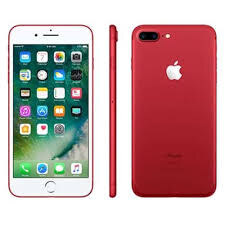
| Colors | Jet Black, Black, Silver, Gold, Rose Gold, Red |
Reviews
Disclaimer Note
Disclaimer: We don't guarantee that the information on our page is 100% correct.