Apple iPhone 8 Price in Nigeria


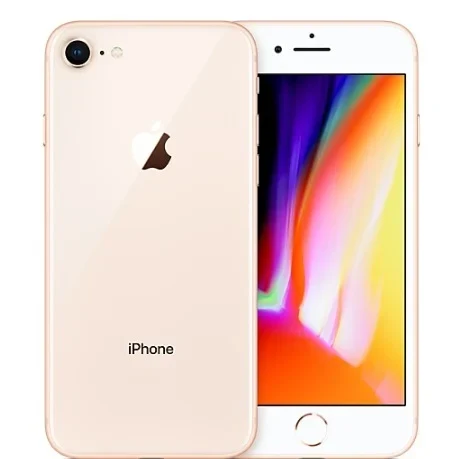
-
DISPLAY: 4.7 inches, 60.9 cm2 (~65.4% screen-to-body ratio)
-
CAMERA: 12 MP, f/1.8, 28mm (wide), PDAF
-
BATTERY: Li-Ion 1821 mAh, non-removable (6.96 Wh)
-
OS: iOS 11, up to iOS 16.7.12
-
CHIPSET: Apple A11 Bionic (10 nm)
-
RAM: 64GB 3GB RAM, 128GB 3GB RAM, 256GB 3GB RAM
-
SIM: Nano-SIM
The Apple iPhone 8 Price in Nigeria and Slot is 125,000 Naira, and this includes Lagos, Abuja, Kano, Rivers, Ogun, Oyo, Delta, Kaduna, Edo, Enugu, PortHarcourt, Ibadan, Benin, Owerri, Warri.
The Apple iPhone 8 may be a discontinued device, but it continues to hold a special place in the hearts of users who value simplicity, compact design, and reliable performance. Released in 2017 by Apple Inc., this smartphone marked the final chapter of Apple’s classic design era before the introduction of bezel-less displays and Face ID technology.
Even in 2026, the iPhone 8 remains a practical choice for users seeking an affordable and dependable smartphone. With its A11 Bionic chip, solid camera performance, and long-standing iOS support, it offers a balanced experience that still meets everyday needs. In this detailed review, we’ll explore every aspect of the iPhone 8—from design and performance to camera quality and battery life.
A Timeless Design: Small, Sleek, and Iconic
The iPhone 8 embodies a design philosophy that many users still prefer today. With its compact 4.7-inch form factor, it fits comfortably in one hand, making it ideal for users who dislike oversized smartphones. The combination of a glass front and back with an aluminum frame gives it a premium feel that rivals even modern devices.
Weighing just 148 grams, the device is lightweight yet solid. The iconic home button with Touch ID remains one of its most beloved features, offering fast and reliable fingerprint authentication. Additionally, the IP67 rating ensures resistance to dust and water, adding durability to its elegant design.
Display Quality: Compact Yet Crisp
The 4.7-inch Retina IPS LCD display offers a resolution of 750 x 1334 pixels, resulting in a pixel density of around 326 ppi. While it may not compete with today’s high-resolution OLED panels, it still delivers sharp text and vibrant colors for everyday use.
With a brightness of 625 nits, the display performs well in various lighting conditions, including outdoors. The inclusion of 3D Touch enhances interactivity, allowing users to access shortcuts and features through pressure-sensitive input—a feature that has since been phased out in newer iPhones.
Performance: Small Device, Big Power
At the core of the iPhone 8 is the Apple A11 Bionic chipset, a powerful processor that was ahead of its time. Built on a 10nm architecture, it features a hexa-core CPU and a three-core GPU, delivering smooth and efficient performance.
Despite having just 2GB of RAM, the device handles everyday tasks like browsing, messaging, and streaming with ease. Thanks to Apple’s tight hardware-software integration, the iPhone 8 continues to perform reliably even years after its release.
Software Experience: iOS That Still Delivers
The iPhone 8 launched with iOS 11 and received updates up to iOS 16.7.12, providing users with years of software support. This longevity is one of Apple’s biggest strengths, ensuring that even older devices remain secure and functional.
The iOS experience on the iPhone 8 is smooth and intuitive. Users benefit from a clean interface, access to a wide range of apps, and strong privacy features. While it may not support the latest iOS versions, it still runs most essential applications without issues.
Camera System: Simplicity Meets Quality
The iPhone 8 features a single 12MP rear camera with an f/1.8 aperture, optical image stabilization, and phase detection autofocus. Despite lacking multiple lenses, it delivers impressive photo quality with accurate colors and good dynamic range.
The camera supports 4K video recording at up to 60fps, making it a capable tool for capturing high-quality videos. Features like HDR and quad-LED flash further enhance its versatility, ensuring good results in various lighting conditions.
Selfie Camera: Basic but Functional
The 7MP front-facing camera is designed for simplicity. It performs well in good lighting, producing clear and natural-looking selfies. Features like HDR and face detection help improve image quality.
Video recording at 1080p ensures smooth video calls and casual vlogging. While it lacks advanced features like portrait mode or night photography, it remains sufficient for everyday use.
Battery Life: Modest but Manageable
The iPhone 8 is powered by a 1821 mAh battery, which provides enough energy for a full day of light to moderate usage. With an endurance rating of around 66 hours, it performs adequately for its size.
Fast charging support allows the device to reach 50% in just 30 minutes, while Qi wireless charging adds convenience. However, heavy users may need to recharge during the day, especially with intensive tasks.
Connectivity and Features: Compact Yet Complete
Despite its age, the iPhone 8 offers a comprehensive set of connectivity options. It supports LTE networks, dual-band Wi-Fi, Bluetooth 5.0, and NFC for Apple Pay. Navigation is handled by GPS, GLONASS, GALILEO, and QZSS systems.
The device includes a range of sensors such as a fingerprint scanner, accelerometer, gyroscope, and barometer. Stereo speakers provide decent audio output, enhancing the multimedia experience.
Storage Options: Choose Wisely
The iPhone 8 comes in three storage variants: 64GB, 128GB, and 256GB. While there is no option for expandable storage, these variants cater to different user needs.
Users who store a lot of photos, videos, or apps should opt for higher storage options. Alternatively, cloud storage solutions can help manage space efficiently.
Pros and Cons: The Honest Breakdown
Pros
- Compact and lightweight design
- Premium build quality with glass and aluminum
- Smooth performance with A11 Bionic chip
- Reliable camera with 4K video support
- Wireless charging capability
- Long-term iOS support
Cons
- Small display by modern standards
- Limited battery capacity
- No headphone jack
- No expandable storage
- Outdated design with large bezels
Final Verdict: Who Should Buy the iPhone 8 Today?
The iPhone 8 is perfect for users who prefer compact smartphones with physical home buttons. It’s also a great option for budget-conscious buyers or those looking for a secondary device.
While it may not offer the cutting-edge features of modern smartphones, it excels in reliability, ease of use, and performance for everyday tasks. For many users, that’s more than enough.
Specs
NETWORK
| Technology | GSM / HSPA / LTE |
LAUNCH
| Release Date | 2017, September 12. Released 2017, September 22 |
| Status | Discontinued |
BODY
| Dimensions | 138.4 x 67.3 x 7.3 mm (5.45 x 2.65 x 0.29 in) |
| Weight | 148 g (5.22 oz) |
| Build | Glass front (Corning-made glass), glass back (Corning-made glass), aluminum frame |
| SIM | Nano-SIM IP67 dust/water resistant (up to 1m for 30 min) Apple Pay (Visa, MasterCard, AMEX certified) |
DISPLAY
| Type | Retina IPS LCD, 625 nits (typ) |
| Size | 4.7 inches, 60.9 cm2 (~65.4% screen-to-body ratio) |
| Resolution | 750 x 1334 pixels, 16:9 ratio (~326 ppi density) |
| Protection | Ion-strengthened glass 3D Touch display & home button |
PLATFORM
| OS | iOS 11, up to iOS 16.7.12 |
| Chipset | Apple A11 Bionic (10 nm) |
| CPU | Hexa-core (2x Monsoon + 4x Mistral) |
| GPU | Apple GPU (three-core graphics) |
MEMORY
| Card slot | No |
| Internal | 64GB 2GB RAM, 128GB 2GB RAM, 256GB 2GB RAM |
MAIN CAMERA
| Back | 12 MP, f/1.8, 28mm (wide), PDAF, OIS |
| Features | Quad-LED dual-tone flash, HDR |
| Video | 4K@24/30/60fps, 1080p@30/60/120/240fps |
SELFIE CAMERA
| Front | 7 MP, f/2.2 |
| Features | Face detection, HDR, panorama |
| Video | 1080p@30fps |
SOUND
| Loudspeaker | Yes, with stereo speakers |
| 3.5mm jack | No |
COMMS
| WLAN | Wi-Fi 802.11 a/b/g/n/ac, dual-band, hotspot |
| Bluetooth | 5.0, A2DP, LE |
| Positioning | GPS, GLONASS, GALILEO, QZSS |
| NFC | Yes |
| Radio | No |
| USB | Lightning, USB 2.0 |
FEATURES
| Sensors | Fingerprint (front-mounted), accelerometer, gyro, proximity, compass, barometer |
BATTERY
| Type | Li-Ion 1821 mAh, non-removable (6.96 Wh) |
| Charging | 15W wired, PD2.0, 50% in 30 min Wireless (Qi) Talk time: Up to 14 h (3G) |
MISC
| Models | A1863, A1905, A1906, A1907, iPhone10,1, iPhone10,4 |
| Colors | Silver, Space Gray, Gold, Red |
Reviews
Disclaimer Note
Disclaimer: We don't guarantee that the information on our page is 100% correct.