Apple iPhone 7 Price in Nigeria
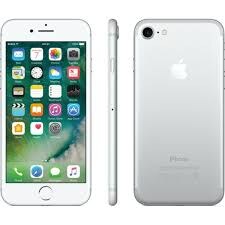

-
DISPLAY: 4.7 inches, 60.9 cm2 (~65.6% screen-to-body ratio)
-
CAMERA: 12 MP, f/1.8, 28mm (wide), 1/3.0", PDAF, OIS
-
BATTERY: Li-Ion 1960 mAh, non-removable (7.45 Wh)
-
OS: iOS 10.0.1, upgradable to iOS 15.8.5
-
CHIPSET: Apple A10 Fusion (16 nm)
-
RAM: 32GB 3GB RAM, 128GB 3GB RAM, 256GB 3GB RAM
-
SIM: Nano-SIM
The Apple iPhone 7 Price in Nigeria and Slot is 90,000 Naira, and this includes Lagos, Abuja, Kano, Rivers, Ogun, Oyo, Delta, Kaduna, Edo, Enugu, PortHarcourt, Ibadan, Benin, Owerri, Warri.
Looking back from 2030, the Apple iPhone 7 stands as a key milestone in smartphone evolution. Released in September 2016, it combined compact design, advanced performance, and water resistance. Its innovations influenced the next generation of iPhones and other smartphones. Even years later, tech enthusiasts praise its impact on mobile technology.
Compact Design With a Premium Feel
The iPhone 7 measured 138.3 x 67.1 x 7.1 mm and weighed 138 grams. Its aluminum frame and glass front gave it a premium touch. Despite its smaller size, it offered excellent ergonomics for one-handed use.
Moreover, Apple maintained IP67 dust and water resistance. This allowed the device to survive spills, rain, and accidental drops. Removing the headphone jack was a bold decision. However, it pushed the industry toward wireless audio, shaping future smartphone design.
Retina Display That Inspired Future Screens
The 4.7-inch Retina IPS LCD delivered 750 x 1334 pixels at ~326 ppi. Its 625-nit brightness ensured readability even outdoors. The ion-strengthened glass protected the screen from scratches.
Additionally, 3D Touch enabled pressure-sensitive interactions. Users could preview messages or perform quick actions with subtle taps. This combination of display quality and responsiveness influenced later iPhone and Android models. It proved that small devices could offer premium visual experiences.
Performance That Stood the Test of Time
The iPhone 7 used the Apple A10 Fusion chipset. Its quad-core CPU included two high-performance “Hurricane” cores and two energy-efficient “Zephyr” cores. Coupled with the PowerVR Series7XT Plus GPU and 2GB RAM, it handled apps smoothly.
In tests, it scored 3416 on Basemark OS II 2.0. This showed strong multitasking and gaming performance for its size. Consequently, the iPhone 7 demonstrated that compact devices could still deliver power comparable to larger phones.
Camera Technology That Set New Standards
Apple included a 12 MP wide-angle camera (f/1.8) with optical image stabilization. Quad-LED dual-tone flash and HDR enhanced low-light photography. Video recording supported 4K at 30 fps and multiple slow-motion options.
The 7 MP front camera included face detection, HDR, and panorama. These capabilities influenced selfie and portrait trends in future devices. In essence, the iPhone 7 showed that compact phones could deliver professional-quality photos.
Audio and Multimedia
Without a headphone jack, Apple emphasized stereo speakers. The iPhone 7 achieved 67dB for voice and 73–75dB for noise and ring tests. Its clear audio made calls, videos, and music enjoyable.
Furthermore, Lightning headphones and wireless audio options became the norm. This decision shaped the industry and paved the way for AirPods and other wireless accessories.
Connectivity and Smart Sensors
The iPhone 7 supported GSM, CDMA, HSPA, EVDO, and LTE networks. Wi-Fi 802.11 a/b/g/n/ac and Bluetooth 4.2 ensured smooth wireless connections. NFC allowed Apple Pay for fast contactless payments.
Its sensors included fingerprint (front-mounted), accelerometer, gyro, proximity, compass, and barometer. These enabled AR apps, fitness tracking, and rich user experiences. Consequently, the iPhone 7 influenced how compact devices integrated advanced sensors.
Battery Life and Daily Use
The 1,960 mAh battery offered up to 14 hours of 3G talk time. Its endurance rating of 61 hours highlighted efficient energy management.
In addition, the balance between performance and battery life showed Apple’s focus on real-world usability. Future smartphones adopted similar energy optimization to extend daily usage without increasing device size.
Pros and Cons
Pros:
- Compact and lightweight design.
- 12 MP camera with OIS and 4K video.
- IP67 dust and water resistance.
- Retina display with 3D Touch.
- Stereo speakers and wireless audio support.
Cons:
- No headphone jack requires adapters or wireless solutions.
- 2GB RAM limits heavy multitasking by modern standards.
- Smaller battery compared to newer devices.
- Discontinued, making new units rare.
These pros and cons highlight how the iPhone 7 influenced later devices. Its strengths became industry benchmarks, and its limitations guided improvements.
Legacy and Collectible Appeal
The iPhone 7 remains a collector’s favorite. Its compact design, premium build, and camera performance make it iconic. Moreover, its influence on wireless audio, water resistance, and efficient chip design can be seen in modern smartphones.
Looking back, it set the foundation for devices that are both powerful and pocket-friendly. Its legacy continues in the compact flagship phones we use today.
Final Verdict
From a future perspective, the iPhone 7 proves that size does not limit innovation. Its design, A10 Fusion processor, and camera features shaped trends for the next generation. Even discontinued, it remains a symbol of how Apple balanced performance, durability, and style.
Specs
NETWORK
| Technology | GSM / CDMA / HSPA / EVDO / LTE |
LAUNCH
| Release Date | 2016, September 07. Released 2016, September 16 |
| Status | Discontinued |
BODY
| Dimensions | 138.3 x 67.1 x 7.1 mm (5.44 x 2.64 x 0.28 in) |
| Weight | 138 g (4.87 oz) |
| Build | Glass front (Corning-made glass), aluminum back, aluminum frame |
| SIM | Nano-SIM IP67 dust/water resistant (up to 1m for 30 min) Apple Pay (Visa, MasterCard, AMEX certified) |
DISPLAY
| Type | Retina IPS LCD, 625 nits (typ) |
| Size | 4.7 inches, 60.9 cm2 (~65.6% screen-to-body ratio) |
| Resolution | 750 x 1334 pixels, 16:9 ratio (~326 ppi density) |
| Protection | Ion-strengthened glass 3D Touch display & home button |
PLATFORM
| OS | iOS 10.0.1, upgradable to iOS 15.8.5 |
| Chipset | Apple A10 Fusion (16 nm) |
| CPU | Quad-core 2.34 GHz (2x Hurricane + 2x Zephyr) |
| GPU | PowerVR Series7XT Plus (six-core graphics) |
MEMORY
| Card slot | No |
| Internal | 32GB 2GB RAM, 128GB 2GB RAM, 256GB 2GB RAM |
MAIN CAMERA
| Back | 12 MP, f/1.8, 28mm (wide), 1/3.0", PDAF, OIS |
| Features | Quad-LED dual-tone flash, HDR |
| Video | 4K@30fps, 1080p@30/60/120fps, 720p@240fps |
SELFIE CAMERA
| Front | 7 MP, f/2.2, 32mm (standard) |
| Features | Face detection, HDR, panorama |
| Video | 1080p@30fps |
SOUND
| Loudspeaker | Yes, with stereo speakers |
| 3.5mm jack | No |
COMMS
| WLAN | Wi-Fi 802.11 a/b/g/n/ac, dual-band, hotspot |
| Bluetooth | 4.2, A2DP, LE |
| Positioning | GPS, GLONASS, GALILEO, QZSS |
| NFC | Yes |
| Radio | No |
| USB | Lightning, USB 2.0 |
FEATURES
| Sensors | Fingerprint (front-mounted), accelerometer, gyro, proximity, compass, barometer |
BATTERY
| Type | Li-Ion 1960 mAh, non-removable (7.45 Wh) |
| Charging | Talk time: Up to 14 h (3G) |
MISC
| Models | A1660, A1778, A1779, A1780, A1853, A1866, iPhone9,1, iPhone9,3 |
| Colors | Jet Black, Black, Silver, Gold, Rose Gold, Red |
Reviews
Disclaimer Note
Disclaimer: We don't guarantee that the information on our page is 100% correct.