Apple iPhone XR Price in Nigeria
-
DISPLAY: 6.1 inches, 90.3 cm2 (~79.0% screen-to-body ratio)
-
CAMERA: 12 MP, f/1.8, 26mm (wide), 1/2.55", 1.4µm, PDAF, OIS
-
BATTERY: Li-Ion 2658 mAh, non-removable (10.13 Wh)
-
OS: iOS 12, upgradable to iOS 18.7
-
CHIPSET: Apple A12 Bionic (7 nm)
-
RAM: 64GB 3GB RAM, 128GB 3GB RAM, 256GB 3GB RAM
-
SIM: Nano-SIM + eSIM Stylus support
The Apple iPhone XR Price in Nigeria and Slot is 230,000 Naira, and this includes Lagos, Abuja, Kano, Rivers, Ogun, Oyo, Delta, Kaduna, Edo, Enugu, PortHarcourt, Ibadan, Benin, Owerri, Warri.
When the Apple iPhone XR launched in 2018, it was positioned as the “affordable flagship” in Apple’s lineup—but years later, it has evolved into something even more interesting: a budget legend that still delivers real-world performance. With its vibrant design, reliable camera, and surprisingly long software support (upgradable to iOS 18.7), the iPhone XR continues to be a smart option for users who want a premium Apple experience without paying flagship prices.
In today’s smartphone market, where prices keep climbing, devices like the iPhone XR prove that longevity and optimization can outweigh raw specs. Whether you’re buying your first iPhone, looking for a secondary device, or just want a dependable daily driver, this device still deserves attention.
🎨 A Splash of Personality: Design That Broke Apple’s Monotony
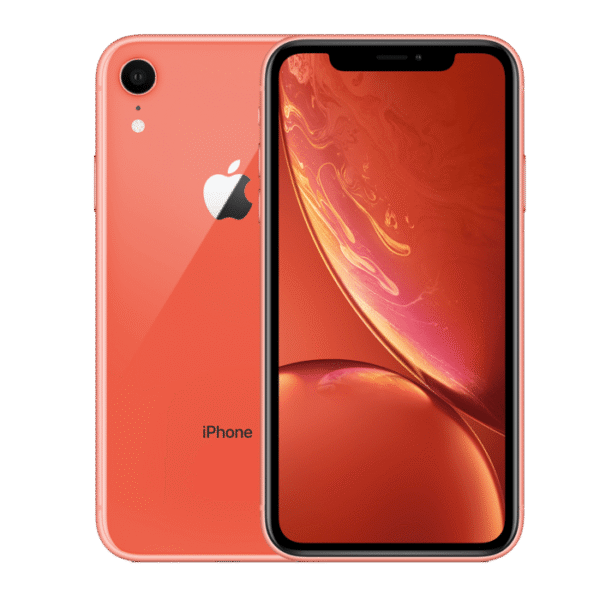
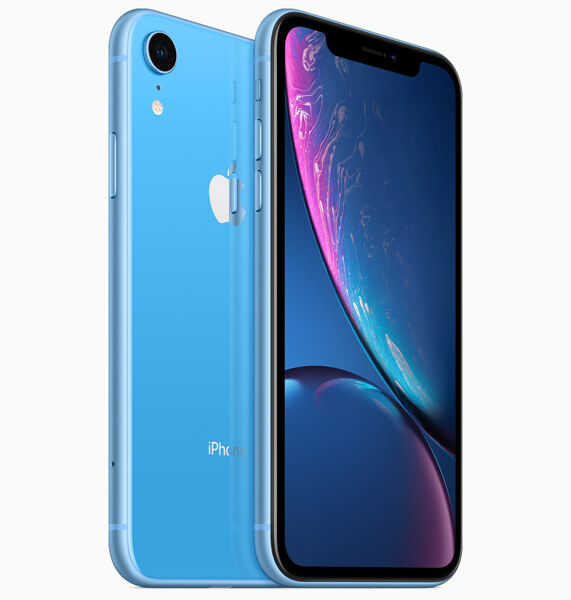
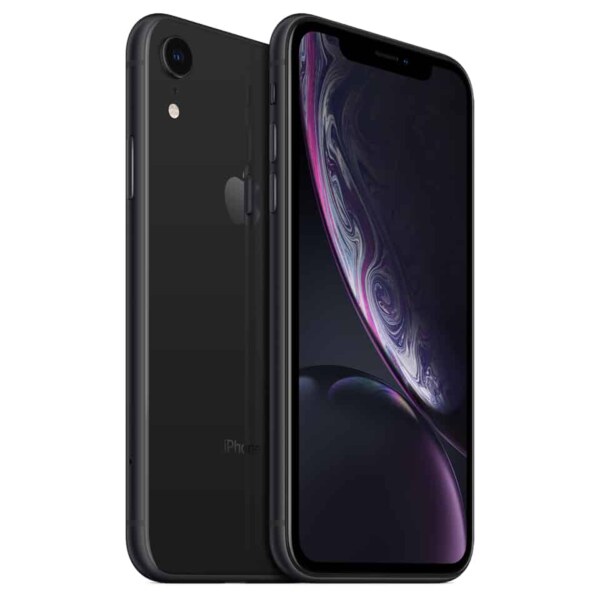
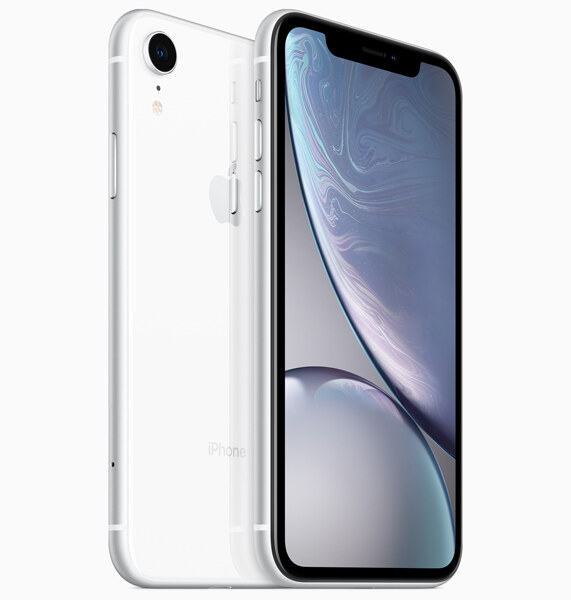
The iPhone XR marked a bold departure from Apple’s traditional muted color palette. Instead of sticking to blacks and silvers, Apple introduced a lineup bursting with personality—yellow, coral, blue, and more. This made the XR feel youthful and expressive, appealing to a broader audience.
Beyond colors, the design itself is solid and premium. The combination of glass front and back with a 7000-series aluminum frame ensures durability while maintaining that unmistakable Apple aesthetic. It also carries IP67 water and dust resistance, meaning it can survive everyday accidents like spills and rain without stress.
📱 Liquid Retina Display: Not OLED, But Still Impressive
Apple branded the XR’s display as “Liquid Retina,” and while it doesn’t feature OLED technology, it still holds up remarkably well. The 6.1-inch IPS LCD offers vibrant colors, good brightness (625 nits), and excellent color accuracy.
At 828 x 1792 resolution (~326 ppi), it may not win spec wars, but in real-world usage—scrolling, watching videos, browsing—it feels smooth and satisfying. Apple’s software optimization plays a big role here, making the display feel more premium than the numbers suggest.
⚡ Performance Powerhouse: A12 Bionic Still Holds Strong
At the heart of the iPhone XR is the A12 Bionic chip, built on a 7nm process. Even years after its release, this chipset delivers impressive performance for everyday tasks like browsing, streaming, social media, and even moderate gaming.
With its hexa-core CPU and 4-core GPU, the XR handles iOS 18.7 smoothly. App launches are fast, multitasking is stable, and Apple’s optimization ensures minimal lag. While it won’t match modern flagship chips, it still outperforms many budget Android devices in the same price range.
📸 Single Camera, Stunning Results: Less Is More
The iPhone XR proves that you don’t need multiple lenses to capture great photos. Its 12 MP rear camera delivers sharp images with accurate colors and excellent dynamic range, thanks to Apple’s image processing.
Portrait mode works surprisingly well—even with a single lens—using software-based depth mapping. Video recording is another highlight, offering 4K at up to 60fps with stabilization and stereo sound recording, making it a favorite for content creators on a budget.
🤳 Front Camera & Face ID: Secure and Reliable
On the front, the 7 MP selfie camera does a solid job for video calls and social media. It supports HDR and 1080p video recording at 60fps, ensuring decent quality in most lighting conditions.
Face ID, powered by Apple’s TrueDepth system, remains one of the most secure facial recognition systems available. It’s fast, reliable, and seamlessly integrated into the iOS experience, making unlocking and authentication effortless.
🔋 Battery Life That Keeps Up With You
The iPhone XR’s 2942 mAh battery may not sound massive on paper, but in practice, it performs impressively well. Apple’s hardware-software integration allows the XR to last a full day with moderate usage.
It supports 15W wired charging and Qi wireless charging, adding convenience for users who prefer cable-free setups. While charging speeds aren’t the fastest by today’s standards, they are reliable and safe.
🌐 Connectivity & Features: Still Relevant Today
Despite its age, the iPhone XR covers all essential connectivity features. It includes LTE support, Wi-Fi ac, Bluetooth 5.0, NFC for Apple Pay, and multiple global positioning systems.
The absence of a headphone jack might still be a downside for some users, but the stereo speakers compensate with clear and balanced audio output. It also supports eSIM, making it flexible for modern network setups.
🧠 Software Longevity: Apple’s Biggest Advantage
One of the strongest reasons to consider the iPhone XR is its long-term software support. Originally launched with iOS 12, it is upgradable all the way to iOS 18.7—an impressive lifespan.
This means users still receive security updates, new features, and app compatibility. Compared to many Android devices in the same price range, the XR offers far better longevity and reliability.
💾 Storage & Everyday Usability
The iPhone XR comes in 64GB, 128GB, and 256GB variants, all paired with 3GB RAM. While there’s no expandable storage, the NVMe internal storage ensures fast read/write speeds.
For everyday users—social media, photos, apps—the storage options are sufficient. However, heavy users may need to manage space carefully, especially on the base 64GB model.
⚖️ Pros and Cons: The Honest Breakdown
✅ Pros
- Strong and reliable A12 Bionic performance
- Long-term iOS updates (up to iOS 18.7)
- Excellent camera quality for a single lens
- Solid battery life
- Premium build with colorful design options
- Face ID is fast and secure
❌ Cons
- LCD display instead of OLED
- Thick bezels compared to modern phones
- No 5G connectivity
- No headphone jack
- Limited RAM (3GB) for heavy multitasking
- Charging speed is relatively slow
💰 Price & Value: Budget Apple Done Right
With a current price around €150 (or equivalent in local markets), the iPhone XR offers incredible value. It delivers a premium Apple experience at a fraction of the cost of newer models.
For students, casual users, or anyone entering the Apple ecosystem, it’s a cost-effective way to enjoy iOS without major compromises.
🏁 Final Verdict: Should You Still Buy the iPhone XR in 2026?
The iPhone XR may be discontinued, but it’s far from obsolete. It stands as a testament to Apple’s focus on longevity, optimization, and user experience. While it lacks modern features like 5G and OLED displays, it compensates with reliability, performance, and long-term support.
If your needs are moderate—calls, social media, photography, and everyday apps—the XR is still a smart buy. However, power users or those seeking cutting-edge features may want to look at newer models.
Specs
NETWORK
| Technology | GSM / CDMA / HSPA / EVDO / LTE |
LAUNCH
| Release Date | 2018, September 12. Released 2018, October 26 |
| Status | Discontinued |
BODY
| Dimensions | 150.9 x 75.7 x 8.3 mm (5.94 x 2.98 x 0.33 in) |
| Weight | 194 g (6.84 oz) |
| Build | Glass front (Corning-made glass), glass back (Corning-made glass), aluminum frame (7000 series) |
| SIM | · Nano-SIM + eSIM · Nano-SIM + Nano-SIM (China) IP67 dust/water resistant (up to 1m for 30 min) Apple Pay (Visa, MasterCard, AMEX certified) |
DISPLAY
| Type | Liquid Retina IPS LCD, 625 nits (HBM) |
| Size | 6.1 inches, 90.3 cm2 (~79.0% screen-to-body ratio) |
| Resolution | 828 x 1792 pixels, 19.5:9 ratio (~326 ppi density) |
| Protection | Scratch-resistant glass |
PLATFORM
| OS | iOS 12, upgradable to iOS 18.7 |
| Chipset | Apple A12 Bionic (7 nm) |
| CPU | Hexa-core (2x2.5 GHz Vortex + 4x1.6 GHz Tempest) |
| GPU | Apple GPU (4-core graphics) |
MEMORY
| Card slot | No |
| Internal | 64GB 3GB RAM, 128GB 3GB RAM, 256GB 3GB RAM |
MAIN CAMERA
| Back | 12 MP, f/1.8, 26mm (wide), 1/2.55", 1.4µm, PDAF, OIS |
| Features | Quad-LED dual-tone flash, HDR (photo/panorama) |
| Video | 4K@24/30/60fps, 1080p@30/60/120/240fps, HDR, stereo sound rec. |
SELFIE CAMERA
| Front | 7 MP, f/2.2, 32mm (standard) SL 3D, (depth/biometrics sensor) |
| Features | HDR |
| Video | 1080p@30fps |
SOUND
| Loudspeaker | Yes, with stereo speakers |
| 3.5mm jack | No |
COMMS
| WLAN | Wi-Fi 802.11 a/b/g/n/ac, dual-band, hotspot |
| Bluetooth | 5.0, A2DP, LE |
| Positioning | GPS, GLONASS, GALILEO, QZSS |
| NFC | Yes |
| Radio | No |
| USB | Lightning, USB 2.0 |
FEATURES
| Sensors | Face ID, accelerometer, gyro, proximity, compass, barometer |
BATTERY
| Type | Li-Ion 2942 mAh, non-removable (11.16 Wh) |
| Charging | 15W wired, PD2.0, 50% in 30 min Wireless (Qi) |
MISC
| Models | A2105, A1984, A2107, A2108, A2106, iPhone11,8 |
| Colors | Black, Red, Yellow, Blue, Coral, White |
Reviews
Disclaimer Note
Disclaimer: We don't guarantee that the information on our page is 100% correct.